
.webp&w=3840&q=75)
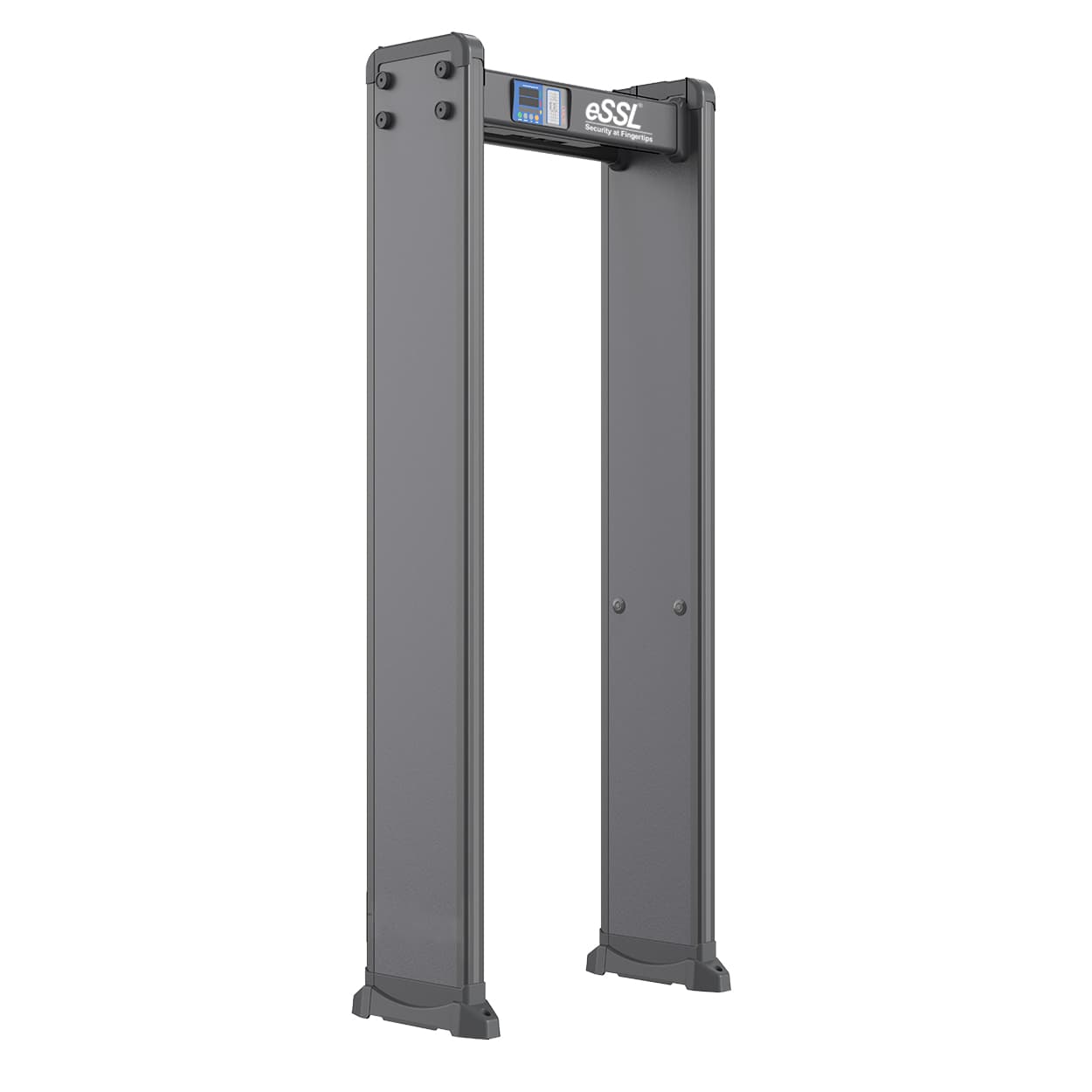


The boundaries between our digital and physical worlds have never been more porous. As enterprises invest in smart building technologies, the security implications extend far beyond traditional IT domains.
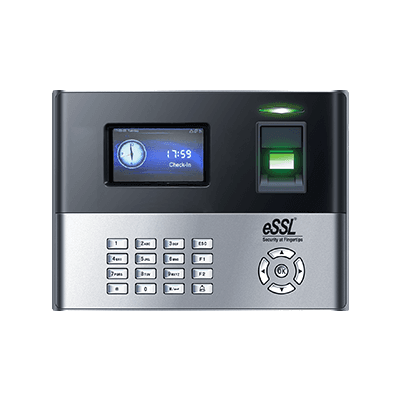
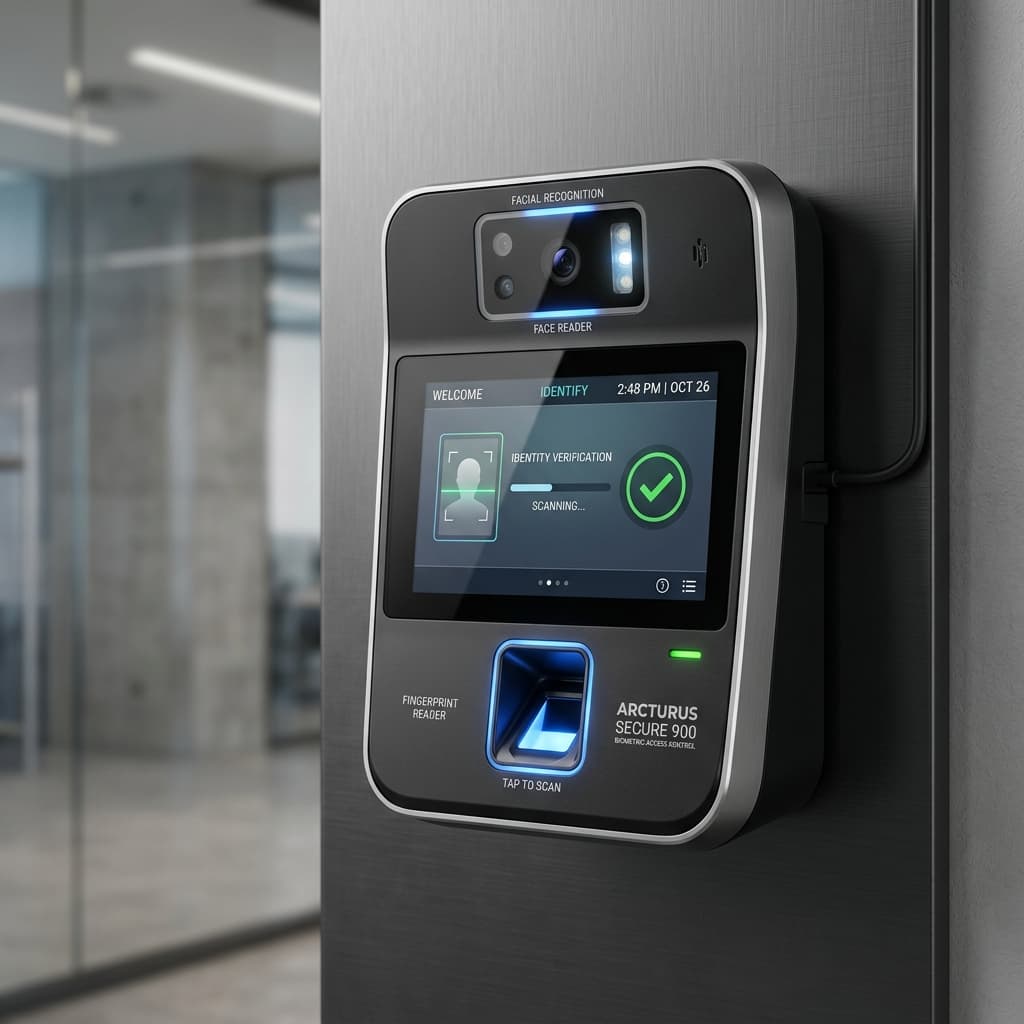
The integration of IoT devices, smart sensors, and automated entry systems has created unparalleled efficiency, but it has also expanded the attack surface. A breach in the digital layer can now manifest as a physical failure in critical building systems.
The Modern Threat Landscape
Threat actors no longer differentiate between a data server and a smart lock. In recent years, we've seen an uptick in 'hybrid' attacks where digital reconnaissance is used to bypass physical security checkpoints. At AD Info Technology, we've identified three core pillars of risk that enterprises must address immediately:
- Unpatched firmware in legacy access control hardware
- Lack of network segmentation between OT and IT environments
- Insufficient monitoring of physical-digital convergence points
"True security isn't about thicker walls or stronger encryption alone; it's about the seamless orchestration of intelligence across both realms."
— Alex Rivera
AI & Real-time Monitoring

Artificial Intelligence is the linchpin of modern CPS strategies. By leveraging machine learning models that understand baseline facility behaviors, systems can now predict and prevent anomalies before they escalate.
In conclusion, the path forward requires a holistic mindset. As we integrate more technology into our physical spaces, our security measures must become more fluid, intelligent, and proactive.
Comments (1)
Incredibly insightful article. The convergence of IT and OT is something we're struggling with at my firm right now. Any advice on the first step for legacy integration?
